About Mighty Mike Simmel
Mike Simmel Bio
Born in Glendale, CA, Mike developed epilepsy at the age of 2. As his family moved to NJ, he struggled as a youth and was debilitated to the point where he could not participate in “regular” activities. Mike could not do the simple things other kids could do, like hop on one leg or skip, because of his condition. Young Mike could not eat normal meals at the dinner table or with sharp utensils and even needed helped going to the bathroom for fear that his head would smack downward and he would get hurt, as a result of a violent seizure. In school, he was placed in special education gym class because of his slow motor skills and development. At times he even had to wear a helmet.
Mike out grew his early “drop attacks” at age 7, and his father gave him a basketball to see if his coordination could develop. It worked and Mike dreamed big. Years later at age 16, when he was at a basketball camp, he had an epileptic seizure, his first major grand-mal attack in nearly 10 years. The camp nearly and unsuccessfully tried to have him removed. That incident would change him forever, as he knew that one day he wanted to give back to other young people who felt as isolated as he did in that situation. Mike continued to have epileptic seizures in high school. Still he was a 3 year varsity starter, standout point guard, captain, and graduate of Don Bosco Prep. He later was team assist and steals leader at the prestigious Hun School of Princeton as a postgraduate student. His bouts with seizures would continue through college, which led him down a tough road where he would eventually finish and get his degree at SUNY Purchase, a 2 year captain, assist and steals leader. Fortunately, Mike has come back from a near fatal 108-degree fever and coma condition at age 24, and dealt with epilepsy throughout his adult life. Currently, Mike take 15 pills for his conditions. He is now seizure free, a survivor, and a model picture of healthy living. Mike has made it his mission to help connect with kids and tell his story to all.
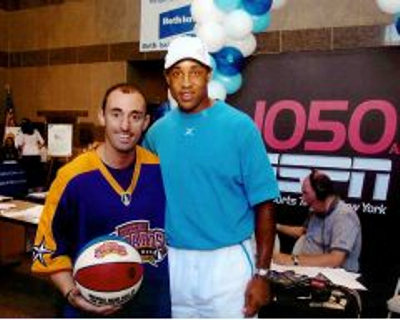
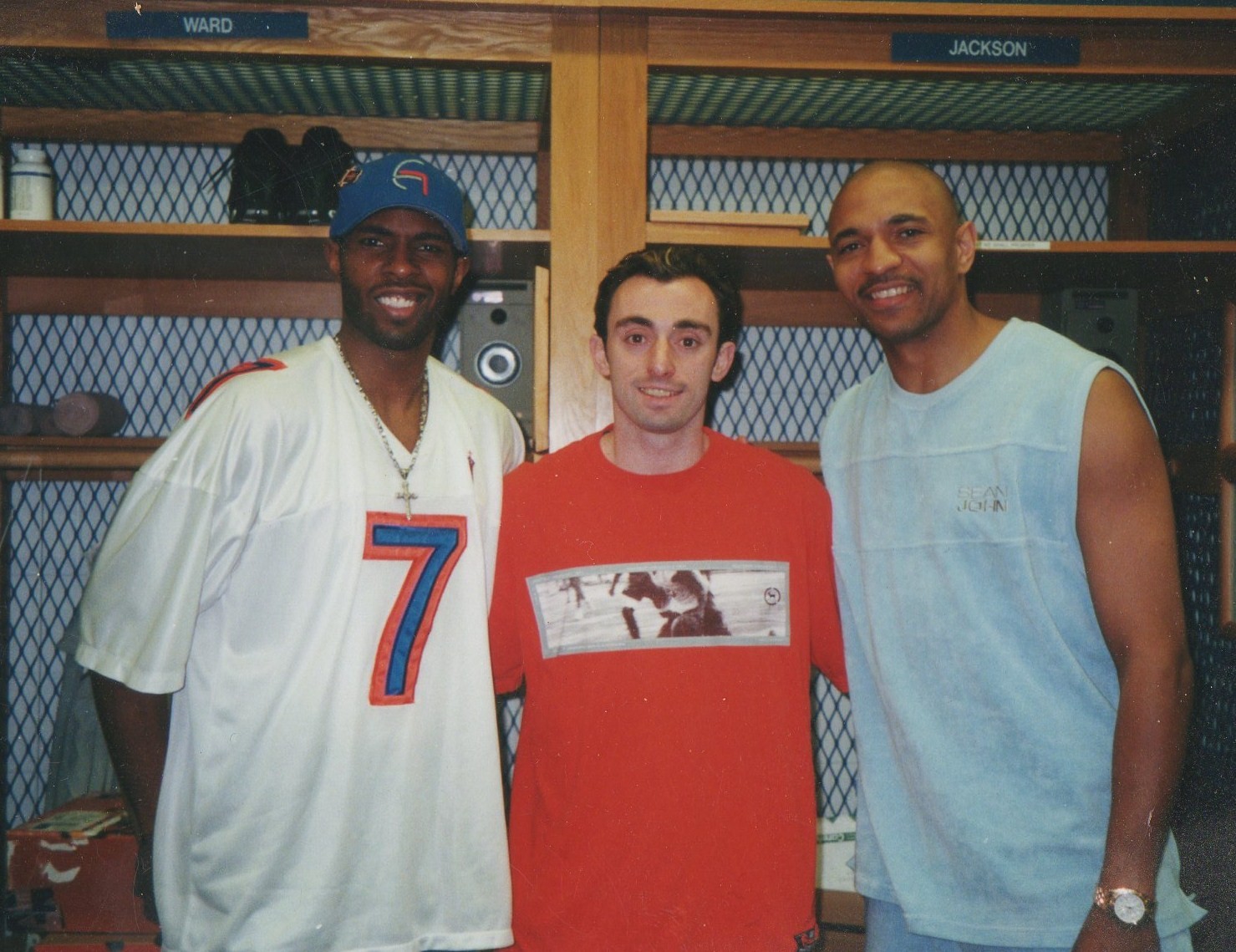
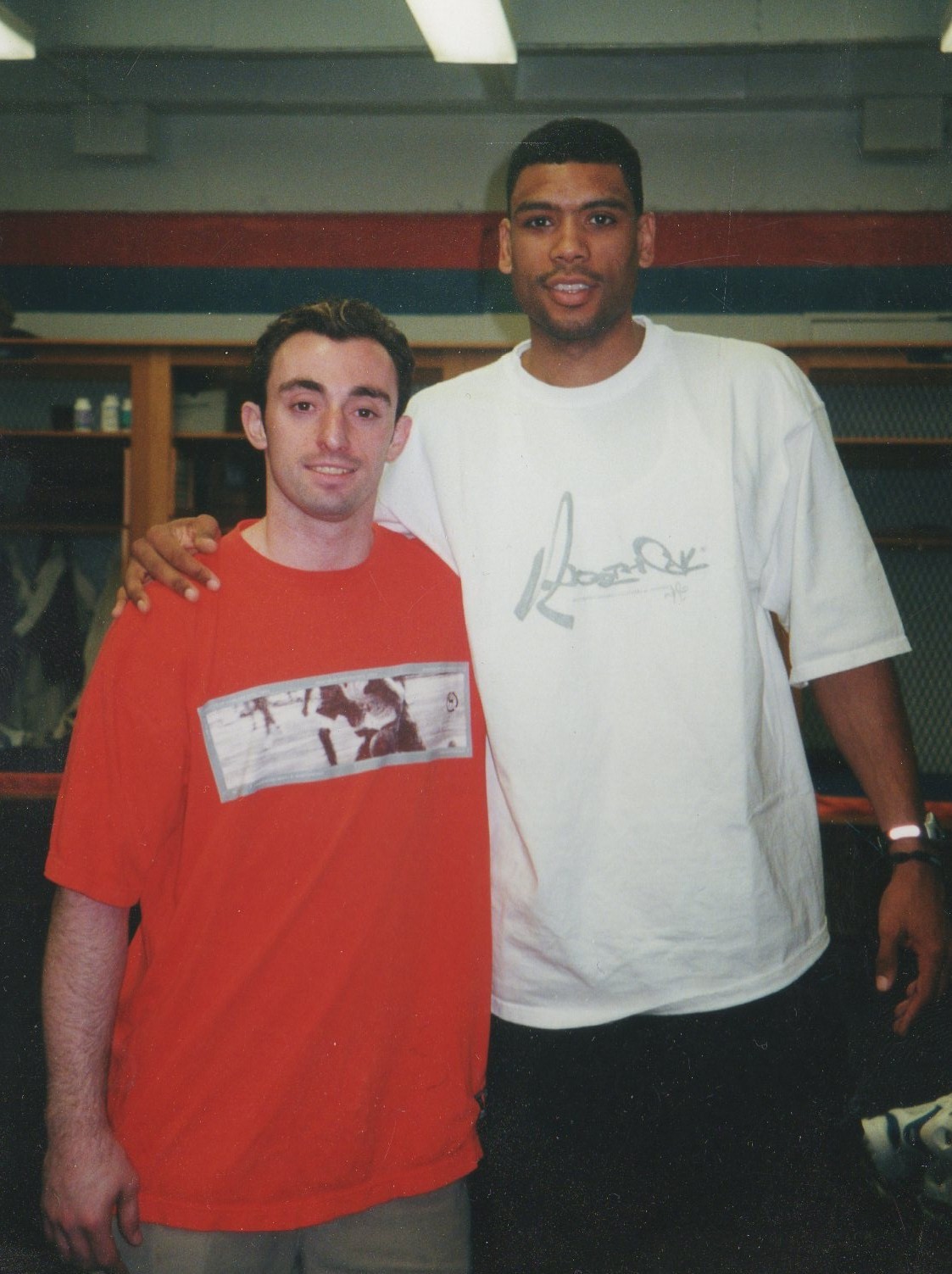
From 2001-2014 Mike was a featured member of the Harlem Wizards professional entertainment basketball team. He is a former New York Knicks ball boy. Since 1998, he has lectured and performed at over 450 basketball camps including: UConn, Georgia Tech, Villanova, Boston College, Seton Hall, Providence, Holy Cross, Stetson, the Naval Academy, Florida Southern, and hundreds of other leading colleges and camps throughout the East Coast. Mike has performed live on NBC’s “It’s Showtime at The Apollo”, at the NBA’s “Rhythm n’ Rims Festival”, and the 2009 NCAA Men’s Final Four Celebration. Mike has appeared on FOX News, CBS, NBC, PBS, MSG Network and CBS College Sports Network as well as other local TV news shows and in print for his work both on the court and in the community. He has also been a featured guest on many radio shows across the country including Radio Disney, ESPN Radio and Bloomberg Radio. Mike speaks at schools throughout the country and has spoken at over 300+ schools. He has performed over 800+ halftime performances throughout the US to pack filled audiences. Currently, he performs at both NBA and College Halftime Shows, is an acclaimed motivational speaker, author, and is CEO and director of one of the most unique basketball programs in the United States.
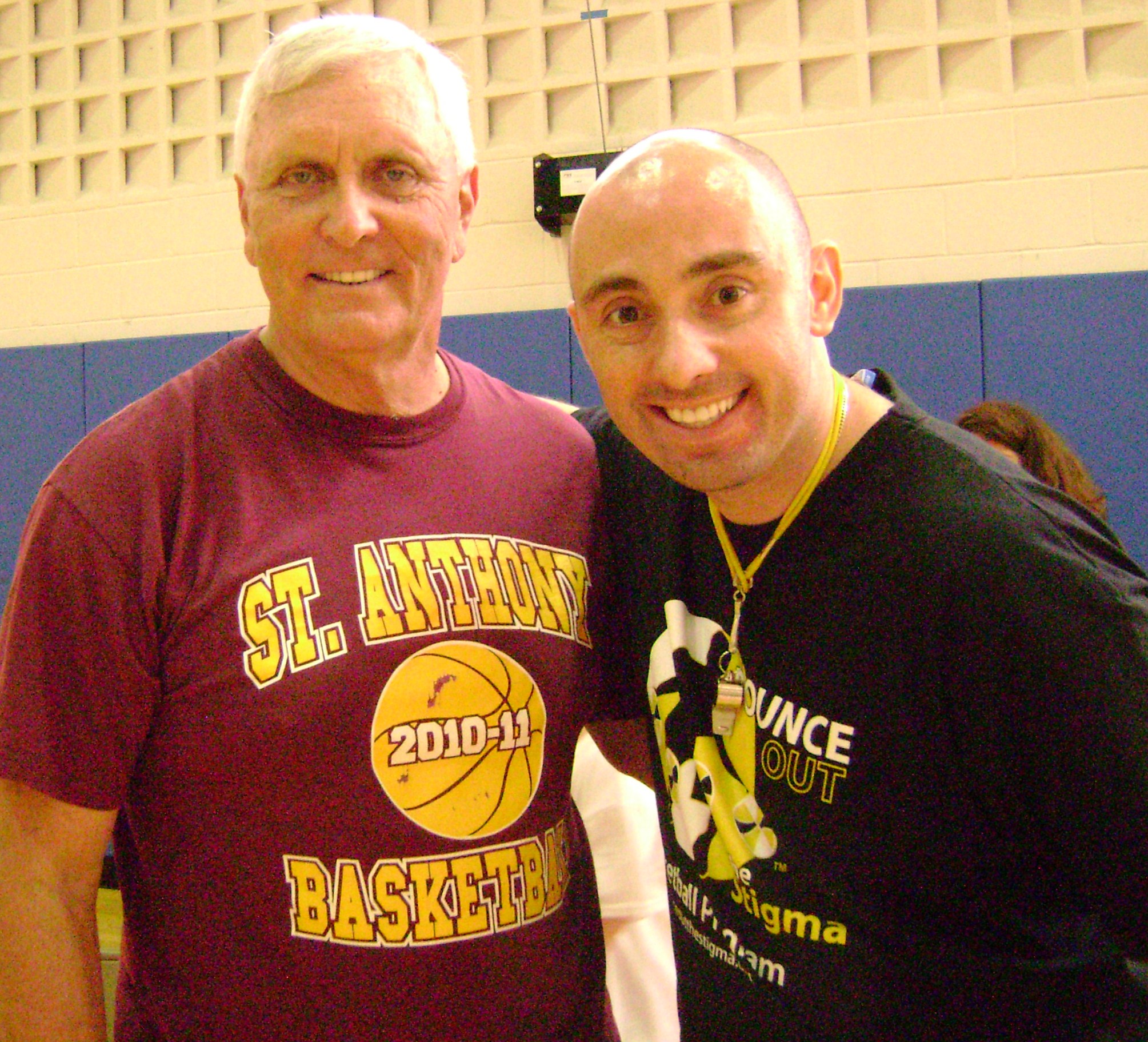
The Bounce Out the Stigma Project was founded by Mighty Mike and his father in 2005 as a grassroots campaign to educate the public, teach healthy lifestyle choices and empower youth with unique issues, based on Mike’s personal experiences of growing up with a disability. With its highly successful school assembly programs, Mike travels nationally speaking to young people regarding: disability awareness, character education, anti-bullying, goal-setting and much more. The staple of the program, its signature Bounce Out the Stigma Basketball Camps and Clinics which have now spread throughout 10 states.
In 2011 Mike Simmel co-authored a semi-autobiographical children’s book about his life growing up as a child entitled Mighty Mike Bounces Back, published by Magination Press.